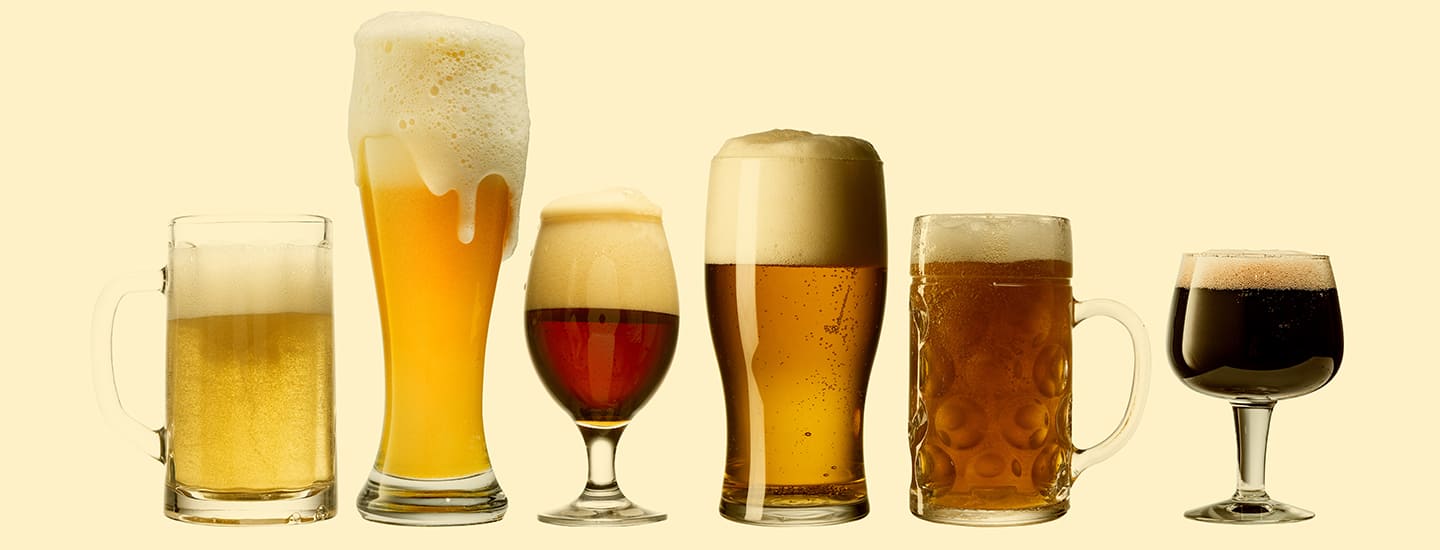
Beer, wine and cider are familiar categories. Most of us have a reasonable idea of what to expect when we order one.
Mead can be harder to place.
Its history stretches back thousands of years, yet many people have never tried it. Those who have heard of mead often imagine something rich, heavy and very sweet. While styles like that certainly exist, mead is a much broader category than the stereotype suggests.
So what actually makes mead different from beer, wine and cider, and where does a drink like BARHI fit?
The Difference Starts With Fermentation
At the simplest level, the distinction between these drinks begins with what is fermented.
Beer is typically brewed from grains such as barley, with hops commonly contributing bitterness, aroma and flavour.
Wine is produced by fermenting grapes.
Cider is made by fermenting apple juice.
Mead begins with honey, usually fermented with water, although fruits, spices and other ingredients can be used to create a wide variety of styles.
That sounds straightforward, but the ingredient alone doesn’t tell you exactly what the finished drink will taste like. Beer can range from light lager to rich stout. Wine can be still or sparkling, bone dry or sweet. Cider ranges from crisp and dry to intensely fruity.
Mead has similar diversity.
Is Mead Always Sweet?
One of the biggest misconceptions about mead is that honey automatically makes the finished drink sweet.
It doesn’t.
Fermentation changes the equation. Yeast consumes fermentable sugars and converts them into alcohol, which means a drink that begins with naturally sweet ingredients can finish considerably drier.
Some meads deliberately retain sweetness. Others are dry, sparkling, still, strong, light, fruit-led or spiced.
So knowing that something is a mead tells you how it was made, but not necessarily what the drinking experience will be.
Mead vs Beer
Beer and mead start from very different ingredients.
Beer generally derives its fermentable sugars from grains, while mead uses honey as its foundation. Hops are also central to many beer styles and can contribute anything from gentle bitterness to powerful aromatic character.
Their drinking occasions can overlap, though.
Both can be refreshing, sociable drinks enjoyed in pubs, restaurants or alongside food, depending on the particular style.
BARHI shares some of that easy-drinking occasion with beer, but its ingredients and flavour profile are very different. It contains no grain and is naturally gluten-free, while its light carbonation and dry character provide refreshment without relying on hop bitterness.
Mead vs Wine
Wine and mead are both fermented drinks, but their primary sources of fermentable sugar are different: grapes for wine and honey for mead.
Wine has developed an extraordinary food culture around it, with different grapes, regions and styles matched to particular dishes.
Mead can also be created with food in mind, but it offers a very different starting point for flavour.
This is particularly relevant to BARHI. Fresh Barhee dates are fermented alongside honey to create a dry, lightly sparkling drink intended to be enjoyed at the table.
The result doesn’t taste like conventional grape wine, nor does it fit the traditional image many people have of mead.
Mead vs Cider
Cider is perhaps an interesting comparison because many cider styles combine fruit character, acidity and refreshment.
But again, the ingredients are fundamentally different.
Cider begins with apples. Traditional mead begins with honey. BARHI combines honey with fresh Barhee dates.
That produces its own character rather than trying to reproduce the flavour of cider. What the two can share is the occasion: something chilled and refreshing that can be enjoyed casually or alongside food.
So Where Does BARHI Fit?
BARHI is made by fermenting fresh Barhee dates and honey and is legally a mead, but the drinking experience is deliberately different from the sweet, heavy image many people associate with the word.
It is dry, lightly sparkling and 6% ABV, with a profile developed around food.
That’s why we increasingly describe BARHI to consumers as a Fresh Date Spritz.
The term helps explain what to expect in the glass: something light, sparkling and refreshing, made from fresh dates and honey.
There are two expressions.
BARHI Original has a clean, crisp and refreshing profile and works particularly well where chilli heat leads the dish.
BARHI Spiced adds star anise and orange peel for a more aromatic character that works particularly well with seafood, rich creamy gravies and BBQ or grilled dishes.
Both are naturally gluten-free and made with no added sugar.
A Quick Comparison
| Beer | Wine | Cider | Traditional Mead | BARHI | |
|---|---|---|---|---|---|
| Main fermentation source | Grains | Grapes | Apples | Honey | Fresh Barhee dates + honey |
| Carbonation | Usually | Usually still, but varies | Varies | Varies | Lightly sparkling |
| Taste | Varies enormously | Varies enormously | Varies enormously | Varies enormously | Dry, crisp and refreshing |
| Typical ABV | Varies | Varies | Varies | Varies | 6% |
| Gluten-free by ingredients | Usually not | Generally | Generally | Generally | Naturally gluten-free |
| Food pairing | Style dependent | Strong tradition | Style dependent | Style dependent | Developed around food |
Individual products and styles vary considerably, so this table is intended as a broad category guide rather than a nutritional or technical comparison of every beer, wine, cider or mead.
Does BARHI Replace Beer, Wine or Cider?
Beer, wine and cider all have their own established drinking occasions, and BARHI wasn’t created simply to imitate one of those categories in a different form. Its development began with a different brief: start with the experience of eating and work backwards towards the drink.
That distinction matters because beer, wine and cider were developed according to the characteristics of their own categories, rather than specifically around the experience of a flavour-rich meal. With BARHI, the meal was part of the brief from the beginning. We wanted a drink that could provide refreshment, have enough character to be enjoyed in its own right, and then allow the food to take centre stage again.
If you’d like to understand why the meal became the starting point, read Why BARHI Was Created Around Food. If you’re deciding specifically what to drink with Indian food, What Alcohol Really Works With Indian Food? looks at the compromises the usual choices can introduce and why BARHI was developed differently.
Discover BARHI
Mead may be one of the world’s oldest alcoholic drink categories, but that doesn’t mean every mead needs to look or taste like the versions that came before it.
BARHI takes the fermentation of honey in a different direction by bringing fresh Barhee dates into the process and creating a dry, lightly sparkling drink for modern dining.
A mead by fermentation.
A Fresh Date Spritz in the glass.
Discover BARHI Original and BARHI Spiced, or find BARHI near you.
Made for the love of food. Brewed for the celebration of laughter.