Barhi Blogs

1st Sep, 2026

What Alcohol Really Works With Indian Food? Rethinking Beer, Wine and the Usual Choices

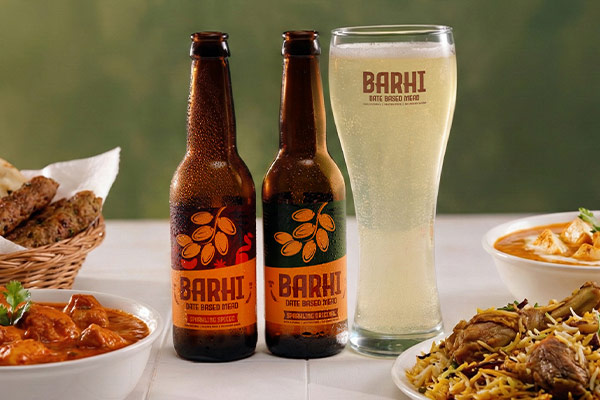
Walk into an Indian restaurant in Britain and one pairing feels almost automatic: curry and beer. It's such a familiar combination that most of us probably don't stop to ask why we order it, or whether beer is actually the drink best suited to the food in front of us. That's worth questioning because Indian food can ask a lot from a drink. Chilli heat can sit alongside rich creamy gravies, while tandoori cooking brings smoke and char. Chutneys add sweetness and acidity, and seafood, grilled meats, rice, breads and several different dishes may all be shared across the same table. So perhaps the more useful question isn't simply what do we normally drink with Indian food? It is this: if the Indian meal came first, what would we actually want the drink beside it to be like? That is the question that eventually led to BARHI. Why Do We Automatically Order Beer? Beer and curry are deeply familiar partners in British dining. Beer is cold, accessible and social, and ordering a pint alongside a curry has become almost instinctive. But think about the meal itself. An Indian dinner can already be substantial, with starters, breads, rice, rich gravies, grilled dishes and sides being eaten over the course of an evening. A UK pint is 568ml, so two pints means drinking more than a litre of beer alongside everything on the table. Beer can also bring considerable carbonation, grain character and, depending on the style, lingering hop bitterness. None of this means someone can't enjoy a beer with Indian food. The more interesting question is whether these are necessarily the characteristics we would choose if we were designing a drink specifically for the meal. That distinction mattered enormously when BARHI was being developed. We didn't want the drink to become another substantial part of an already substantial meal. We wanted it to support the food and allow the diner to keep coming back to it. What Does the Previous Sip Do to the Next Bite? There is another part of drinking beer with food that is easy to overlook: the flavour of the drink doesn't necessarily disappear when you swallow it. Take a dish whose chilli, spice, richness and aromatics have been carefully balanced, then follow a bite with a bitter beer. Depending on the style, some of that hop-led bitterness can remain on the palate when you return to the food. If you enjoy that interaction, that's a matter of personal taste, but it wasn't what we wanted when developing BARHI. Our aim was for the drink to provide refreshment and then allow the food to come back. BARHI isn't hop-based, so it doesn't bring hop-led bitterness into the next bite. It was developed with a clean finish because we wanted the flavour of the dish, rather than the previous sip, to regain centre stage. That doesn't mean making the drink flavourless. It means understanding when the drink should have character and when it should get out of the way. Do Wine, Cider or Cocktails Solve the Problem? Moving away from beer doesn't automatically solve everything because the other familiar categories bring their own characteristics. Cider offers fruit, acidity and sparkle, but depending on the style it can also introduce noticeable sweetness and persistent fruit character. That can be enjoyable on its own, but Indian food may already contain sweetness, acidity, chutneys, fruit and complex spice, so another prominent layer isn't necessarily what every dish needs. Wine presents a different challenge. Its food-pairing tradition is enormous and a carefully chosen wine can complement an individual dish beautifully, but an Indian meal is often not an individual dish. Tandoori lamb chops, a chilli-forward curry, a rich creamy gravy, seafood, biryani, breads and chutneys might all be shared across one table. The wine selected for one part of that meal may interact very differently with another. Cocktails offer even more freedom, but that freedom can mean more flavour as well. Citrus, syrups, spirits, fruit, herbs and spices can turn the drink into another major flavour event alongside food that is already extremely complex. The point isn't that nobody can enjoy beer, cider, wine or cocktails with Indian food. Of course they can. The distinction is between finding something from an existing drinks category that can work with the meal and developing a drink around what the meal actually requires. What If the Indian Meal Came First? This is where BARHI's story is different. Instead of starting with an established drinks category and looking for foods that might suit it, we started with the experience of eating. We wanted a drink that was dry because a complex meal didn't need another persistent layer of sweetness, and light in drinking character because the food itself could already be substantial. We still wanted some sparkle because refreshment between intense bites matters, but we didn't want carbonation to dominate the experience. We didn't want hop-led bitterness carrying into the next bite either. At the same time, BARHI still needed enough character to be enjoyed as a proper alcoholic drink rather than becoming something neutral simply because it was designed for food. Those requirements shaped the finished product. BARHI is a dry, lightly sparkling 6% ABV Fresh Date Spritz made by fermenting fresh Barhee dates and honey. Despite beginning with ingredients people naturally associate with sweetness, the finished drink is dry and contains just 1.52g of carbohydrate, all of which is sugar, and 115 kcal per 330ml. These aren't characteristics we arrived at first and later decided were useful with Indian food. The meal was part of the brief from the beginning. If you're interested in the deeper thinking behind carbonation, clean finish and the experience between bites, we've explored it separately in What Makes a Good Drink With Food? Here, what matters is how those principles apply to the particular way Indian food is eaten. Indian Food Isn't One Flavour, So BARHI Isn't One Expression One of the problems with asking for the best drink with “Indian food” is that Indian food isn't one thing. A chilli-forward curry creates a very different drinking requirement from a rich creamy gravy, while tandoori cooking brings smoke and char that create another experience altogether. That's why BARHI Original and BARHI Spiced have different roles at the table. BARHI Original has the cleaner, crisper profile of the two and works particularly well when chilli heat is one of the defining characteristics of the dish. The idea isn't to answer intensity with even more intensity, but to provide refreshment before returning to the food. BARHI Spiced, made with star anise and orange peel, has greater aromatic character and is particularly suited to seafood, rich creamy gravies and tandoori, BBQ or grilled dishes where smoke and char are prominent. The distinction is important. It isn't a simplistic Original for mild food, Spiced for spicy food rule. It is about identifying what is actually driving the dish. If chilli heat leads, we reach for Original. If richness, seafood, smoke or char leads, Spiced becomes the more natural choice. This becomes particularly useful at an Indian table because you may be moving between several of those experiences during the same meal. Maybe We've Been Asking the Wrong Question For years, we've tried to answer the question of which existing alcohol goes best with Indian food. We debate which beer style works, which grape to choose or which cocktail complements a particular curry. BARHI started by reversing that process. Instead of asking Indian food to fit around an existing drinks category, we asked what we would create if the meal came first. That meant considering the richness of the food, the chilli, the smoke and char, the complexity of the spices and the fact that several very different dishes might be shared at once. The result was a drink developed to be dry, lightly sparkling and clean-finishing, with two expressions designed for different characteristics of the food. That's the difference between finding a pairing and designing for the meal. BARHI isn't asking Indian food to work around the drink. The drink was built around the food. So the next time a pint feels like the automatic order with a curry, it might be worth asking whether that's what the food actually needs, or simply what we've always ordered. For broader advice across chilli-led cuisines, read What Drinks Pair Best With Spicy Food? For the deeper thinking behind BARHI's food-first design, explore What Makes a Good Drink With Food? Or discover BARHI Original and BARHI Spiced and find BARHI near you to try the idea with an Indian meal yourself. Made for the love of food. Brewed for the celebration of laughter.

1st Sep, 2026

What Makes a Good Drink With Food? Why Refreshment, Balance and a Clean Finish Matter

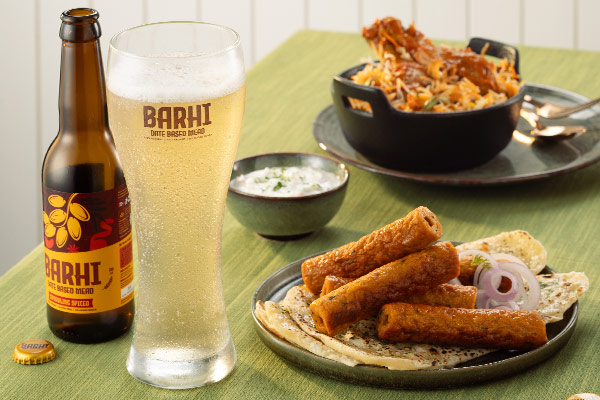
We spend a lot of time talking about which drinks pair with which foods. Red wine with steak, white wine with fish, beer with curry or Champagne with oysters. Most traditional pairing advice starts with the same question: does the flavour of the drink complement the flavour of the dish? It's a useful question, but when we were developing BARHI we became interested in something slightly different. What should the drink actually be doing between one bite and the next? After all, that's how we really experience food and drink together. You take a bite, have a sip and then return to the food. Whatever the drink leaves behind becomes part of how you experience that next mouthful. That simple observation became fundamental to the development of BARHI. Instead of creating a drink first and finding foods to pair with it afterwards, we started with the dining experience and thought about what we wanted from the glass throughout the meal. Food Pairing Is About More Than Matching Flavours A good pairing can absolutely be about flavour. A wine might complement a sauce, a beer might echo something roasted or bitter in a dish, and a cocktail might pick up an ingredient from the plate. But a meal lasts much longer than one bite and one sip. Over the course of an hour or two, other things begin to matter. Does the drink start to feel substantial alongside the food? How much carbonation are you consuming? Does bitterness linger on your palate? Does sweetness build as the meal continues? Most importantly, when you return to the plate, are you experiencing the food again or are you still experiencing the drink? Those questions shaped BARHI much more than the traditional idea of simply matching one flavour with another. A Drink Shouldn't Become Another Course This was one of the first things we thought about because the drink is being consumed on top of everything already on the table. Beer can be wonderfully refreshing when it's cold, but it also brings grain, carbonation and, depending on the style, considerable body. Cider can bring its own combination of fruit, sweetness and carbonation. These characteristics can be part of what makes those drinks enjoyable, but alongside a substantial meal we wanted something that would feel different. BARHI was deliberately developed with a light drinking character. A 330ml bottle contains 1.52g of carbohydrate, all of which is sugar, and 115 kcal. At 6% ABV, it still has the character and strength of a proper alcoholic drink, but the intention was for it to accompany the meal without becoming another substantial element competing with the food. That distinction is important. When you've ordered food you're genuinely excited about eating, the drink should help you enjoy the meal rather than gradually becoming the reason you've had enough of it. Why BARHI Is Lightly Sparkling Rather Than Heavily Carbonated We didn't want to remove carbonation altogether because sparkle can play a useful role with food. A chilled sparkling drink provides a welcome change of sensation between rich or intense bites, and that can be particularly satisfying when chilli heat is involved. The question was how much. BARHI was deliberately made lightly sparkling. We wanted enough sparkle to provide that moment of refreshment without making intense fizz one of the dominant sensations throughout the meal. This is an important part of the BARHI approach because refreshment isn't simply a word we use to describe the drink. It has a job to do. The sip should interrupt the intensity of the previous bite, give you a refreshing moment, and then allow you to return to the plate. The Finish Matters as Much as the First Sip This is probably one of the most overlooked parts of food pairing. A drink doesn't stop influencing your palate simply because you've swallowed it. Depending on what you're drinking, bitterness, sweetness or a particularly strong flavour can remain, and the next bite then arrives on top of whatever the previous sip left behind. Beer provides an obvious example. For many styles, hop bitterness is deliberately part of the character of the drink, and there is nothing inherently wrong with that. But when we were thinking specifically about food, we didn't want a lingering bitter finish becoming part of the flavour of the next mouthful. BARHI isn't hop-based and was developed with a clean finish without a lingering hop-led bitterness. The aim wasn't to make the drink flavourless; it was to give BARHI its own character while allowing that character to leave the palate cleanly enough for the food to return. Put simply, the drink should refresh your palate, not rewrite the flavour of the next bite.   Dates and Honey Don't Have to Mean Sweet The same thinking applied to sweetness. BARHI begins with fresh Barhee dates and honey, so people quite reasonably expect the finished drink to be sweet. Fermentation takes those ingredients somewhere very different. BARHI is fermented dry and made with no added sugar. Rather than creating a sweet accompaniment to food, we wanted something that wouldn't continuously add another sugary or dominant layer to a meal that might already contain rich sauces, aromatic spices, chutneys or ingredients with their own sweetness. That is one of the reasons BARHI can surprise people when they first taste it. The ingredients sound as though they should lead to one kind of drinking experience, while fermentation creates something much lighter, drier and more refreshing. So What Does “Refreshing” Actually Mean With Food? For us, refreshment makes most sense when you think about the whole sequence rather than the drink on its own. Imagine you've just taken a bite of something rich, chilli-forward, smoky or intensely flavoured. You then take a chilled sip of BARHI. The gentle sparkle gives you a change of sensation, the drink has enough character to be enjoyable in its own right, and then it finishes cleanly enough for you to return to the dish. The next bite should taste like the food again. That's the experience BARHI was developed around: bite, sip, refresh, clean finish, next bite. Not because every mouthful needs to be analysed that way, but because thinking about the entire sequence helped us understand what we actually wanted a food-first drink to do. Why BARHI Still Needs Character There is an obvious question here. If the objective is to let the food remain the focus, why not simply make the drink as neutral as possible? Because a good food pairing still has to involve a drink you genuinely want to drink. BARHI is a 6% ABV Fresh Date Spritz made by fermenting fresh Barhee dates and honey. Those ingredients and the fermentation process give it its own identity, while the two expressions allow BARHI to respond differently depending on what is happening on the plate. BARHI Original has the cleaner, crisper profile of the two and works particularly well when chilli heat is one of the defining characteristics of the dish. Here, refreshment is the priority, rather than answering intensity with another intense flavour. BARHI Spiced adds star anise and orange peel for a more aromatic character. It works particularly well with seafood, rich creamy gravies and BBQ, grilled or tandoori dishes where richness, smoke or char are more prominent. The distinction isn't simply Original for mild food and Spiced for spicy food. Chilli heat, richness, seafood, smoke and char create very different experiences, so it makes sense to think about them differently when choosing the drink as well. Is This Different From Traditional Food Pairing? In some ways, yes. Beer, wine and cider have long histories at the dining table and can all create enjoyable pairings. Traditional pairing, however, often begins with an existing drink and asks which food works with it, or starts with a dish and searches among established drinks for the closest match. BARHI began with a different brief. We asked what we would want from the drinking experience if the meal came first. That led us towards something dry rather than sweet, lightly sparkling rather than dominated by carbonation, refreshing between bites and clean-finishing rather than leaving a strong flavour over the next mouthful. At the same time, it still needed enough character to be enjoyed as a proper alcoholic drink. Those choices eventually became BARHI. The Food Should Still Be the Thing You Remember A great meal has taken someone time to create. Ingredients have been chosen, spices balanced, sauces developed, meat grilled, seafood cooked and dishes assembled so that every mouthful delivers what the chef intended. For us, a drink designed around food should respect that. It can have character. It can bring something to the occasion. It should certainly be enjoyable in its own right. But throughout the meal, it should also know when to step aside and let the food come back. That's what we mean when we say BARHI was created around food. It isn't simply a claim that BARHI can be paired with different dishes. The experience of eating influenced the way the drink itself was developed. If you'd like to understand where that philosophy began, read Why BARHI Was Created Around Food. For practical pairing advice, explore What Drinks Pair Best With Spicy Food. And if you're interested specifically in the conventional beer, wine and cider choices around Indian dining, read What Alcohol Really Works With Indian Food? You can also discover BARHI Original and BARHI Spiced or find BARHI near you to experience a Fresh Date Spritz with food for yourself. Made for the love of food. Brewed for the celebration of laughter.
1st Sep, 2026

Why BARHI Was Created Around Food: The Story Behind Our Food-First Approach

Food has always been at the heart of some of our best moments, from family celebrations and restaurant meals to evenings spent sharing a table with friends. Yet when it comes to choosing what to drink with food, the process often works the other way around: a drink is created first, and we later decide which foods might pair well with it. BARHI began with a different question. What if we started with the food and created the drink around it? A Question That Started in 2010 The idea behind BARHI goes back to 2010, when our founder, Vikas Thakker, conducted consumer research in Mumbai exploring how people experienced alcohol alongside food. Nearly 40% of respondents felt that no alcoholic beverage truly complemented Indian food. It was an interesting finding. Indian cuisine is built around layers of flavour, with spice, acidity, richness, sweetness and aromatics often appearing within the same meal. Yet the drinks available alongside it had rarely been created specifically with that complexity in mind. That raised the question that would eventually lead to BARHI: could we create a drink by starting with the dining experience rather than the drinks category? Creating the Drink Around the Food That question shaped the development process that followed. Rather than deciding at the outset that BARHI needed to be a particular type of beer, wine or other established drink, the focus was on what we wanted it to do at the table. It needed to be refreshing enough to enjoy throughout a meal, able to sit comfortably alongside bold flavours and light enough not to overwhelm the food itself. Years of experimentation eventually led to fresh Barhee dates and honey. Through fermentation, ingredients normally associated with sweetness could produce something quite different: a dry, crisp and lightly sparkling drink. Today, we describe that drinking experience as a Fresh Date Spritz. BARHI is 6% ABV, naturally gluten-free and made with no added sugar. More importantly, its character reflects the original idea behind it: a drink intended to complement the meal rather than compete with it. Why Food Was the Starting Point Pairing drinks with Indian and other spice-rich cuisines can be particularly interesting because there is rarely only one flavour on the plate. A meal might move from something grilled and smoky to a rich curry, a sharper chutney and an aromatic rice dish, all while the same drink remains in the glass. That made refreshment particularly important during BARHI's development. The aim wasn't to create an intensely flavoured drink that demanded attention of its own, but something that could refresh the palate between bites and remain enjoyable as the flavours on the table changed. This philosophy eventually led to two expressions of BARHI. BARHI Original and BARHI Spiced That food-first philosophy eventually led to two expressions of BARHI, because different characteristics in a meal ask different things from the drink. BARHI Original is the cleaner and crisper of the two. Made with fresh Barhee dates and honey, its light, refreshing character works particularly well when chilli heat is one of the defining features of the dish. Rather than adding another intense flavour, Original provides a refreshing contrast before you return to the food. BARHI Spiced adds star anise and orange peel, giving it a more aromatic character. It works particularly well with seafood, rich creamy gravies and BBQ, grilled or tandoori dishes where richness, smoke or char are more central to the experience. The distinction isn't simply Original for mild food and Spiced for spicy food. Chilli heat, richness, seafood, smoke and char create different pairing requirements, and thinking about those differences is part of the food-first approach that shaped BARHI. A Different Approach to Food and Drink Wine has a long tradition of food pairing, while beer, cider and cocktails each have their own established place at the table. BARHI wasn't created simply because we thought the drinks menu needed another option. It came from questioning whether drinks developed independently of the meal necessarily provided the experience we wanted alongside flavour-rich food. Instead of creating the drink first and finding its food pairing afterwards, we spent years asking what we wanted the drink itself to do while we were eating. That journey ultimately took us from consumer research in 2010 to a dry, lightly sparkling Fresh Date Spritz made from fresh Barhee dates and honey. Today BARHI is an award-winning drink served in restaurants and enjoyed alongside cuisines far beyond the dishes that first inspired it, but the philosophy hasn't changed: start with the food, then think about the drink. If you'd like to understand what that philosophy meant at product level, read What Makes a Good Drink with Food?, where we explore the role of refreshment, gentle carbonation and a clean finish. Or read What Alcohol Really Works with Indian Food? to see why BARHI challenges some of the conventional choices made around an Indian meal. You can also discover BARHI Original and BARHI Spiced or find BARHI near you. Made for the love of food. Brewed for the celebration of laughter.
1st Sep, 2026

What Drinks Pair Best With Spicy Food? A Practical Guide

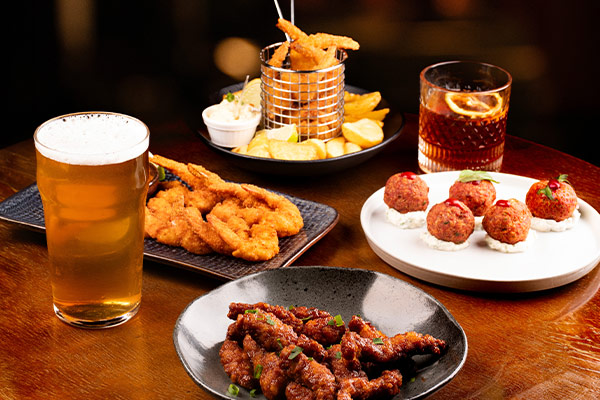
A great spicy dish can give your palate a lot to deal with. There may be chilli heat, but there can also be acidity, richness, smoke, sweetness, herbs and aromatic spices all competing for attention. That makes choosing a drink more interesting than simply reaching for whatever is coldest. Beer is the familiar answer. Wine can work when the style is right. Cider brings fruit and acidity, cocktails offer enormous flexibility, and sparkling drinks can provide welcome refreshment between bites. But some of those same characteristics can also work against the food. Bitterness can linger. Sweetness can compete with the dish. Higher alcohol can become more noticeable alongside intense chilli. Heavy body or lots of carbonation may not be what you want throughout a substantial meal. So rather than asking only: “What drink goes with spicy food?” there's a better place to start: What kind of spice and intensity is actually on the plate? Spicy Doesn't Always Mean Hot We often use “spicy” and “hot” as though they mean the same thing. They don't. A dish can be packed with cumin, coriander, cardamom, turmeric, ginger, pepper and other aromatic spices without being particularly hot. Chilli creates something different. Then there are other characteristics to consider. A creamy gravy brings richness. Barbecued meat can bring smoke and char. Seafood introduces its own flavour and texture. A chilli-heavy dish can deliver considerable heat without necessarily being rich at all. Indian, Thai, Sichuan, Mexican and other spice-rich cuisines can therefore create completely different drinking experiences even though we might casually describe all of them as “spicy”. That's why there isn't one universal drink for spicy food. The first question should be: Is the dish hot, aromatic, rich, smoky, sweet — or some combination of them? Beer With Spicy Food Cold beer is one of the world's most familiar partners for spicy food. And it's easy to understand why. Cold temperature and carbonation can provide an immediate refreshing contrast when eating something hot. But the style of beer matters enormously. A crisp lager behaves very differently from a heavily hopped IPA or a rich stout. Strong hop bitterness can remain noticeable alongside an already intense dish, while higher alcohol can become more apparent when chilli heat is prominent. Body matters too. A heavier beer alongside a substantial meal creates a very different drinking experience from something lighter. So “beer with spicy food” isn't really one pairing. The beer needs to suit the particular dish. Wine With Spicy Food Wine can work beautifully with spice-rich food, but choosing the right style becomes particularly important. Fresh acidity can complement rich food, while aromatic wines can sit comfortably alongside herbs, ginger and fragrant spices. A little residual sweetness is also a pairing approach some drinkers enjoy with chilli. At the other end of the spectrum, highly tannic or particularly high-alcohol wines can be more challenging when a dish is very hot. The lesson is similar to beer: more intensity in the glass isn't necessarily the answer to more intensity on the plate. Sometimes the better partner is the drink that gives the food room. Cider With Spicy Food Cider brings fruit, acidity and often carbonation to the table. A dry cider can provide freshness with rich or intensely flavoured food, while fruitier and sweeter styles create a very different interaction with chilli. That sweetness can sometimes provide contrast, but it can also become another prominent flavour in a dish that already has plenty happening. Again, the category name alone doesn't tell you whether the pairing will work. The style matters. Cocktails With Spicy Food Cocktails offer perhaps the greatest freedom because they can be designed around the food itself. Citrus can bring freshness. Herbs can echo ingredients in the dish. Ginger, fruit and aromatics can complement particular spice profiles. But that flexibility can also create problems. If the food is already intensely flavoured, a cocktail that is simultaneously sweet, high in alcohol and packed with powerful flavours may simply add more competition. With chilli-heavy and spice-rich food, restraint can sometimes be more useful than complexity. What Should You Look for With Chilli Heat? When chilli itself is driving the dish, the drinking challenge becomes more specific. You want refreshment, but you don't necessarily want another aggressive flavour arriving immediately afterwards. You may want something cold, but coldness alone isn't enough. You may enjoy sparkle, but the drink still needs to sit comfortably throughout the meal. And you need to consider what the drink leaves behind before you take the next bite. That is why clean, crisp and refreshing drinks become particularly interesting with chilli-forward food. And this is where BARHI Original comes in. BARHI Original: When Chilli Leads BARHI is a Fresh Date Spritz, made by fermenting fresh Barhee dates and honey. It is dry, lightly sparkling and 6% ABV. BARHI Original has a clean, crisp and refreshing profile that works particularly well when chilli heat is one of the defining characteristics of the dish. The intention is not to match intensity with more intensity. Instead, Original provides a refreshing contrast between bites without introducing another heavy flavour to an already powerful plate. Its gentle sparkle contributes freshness, while the clean finish allows attention to return to the food. That last point matters. When you're repeatedly moving between a chilli-forward dish and a drink, what remains after each sip becomes part of how you experience the next bite. BARHI was developed around that wider dining experience. We explore the thinking behind its dry profile, gentle sparkle and clean finish in much more detail in What Makes a Good Drink With Food? For spicy food specifically, though, the principle is simple: When chilli leads, start with BARHI Original. So When Does BARHI Spiced Work? “Spicy” food isn't always primarily about chilli. A dish might instead be defined by richness, seafood, smoke or char. That's where BARHI Spiced plays a different role. Spiced adds star anise and orange peel, giving it a more aromatic character. It works particularly well with seafood, BBQ and grilled dishes, and rich creamy gravies. The distinction is important because BARHI Spiced shouldn't automatically be selected simply because a dish is described as “spicy”. Ask what is actually driving the food. Chilli heat? Original. Rich creamy gravy? Spiced. Seafood? Spiced. BBQ, grilling, smoke or char? Spiced. This is a more useful way to think about pairing than treating every intensely flavoured dish as the same. What About Different Cuisines? The same principle travels across cuisines. With Indian food, a chilli-forward dish presents a different pairing challenge from a rich creamy gravy. If chilli heat leads, BARHI Original can provide the cleaner, more refreshing contrast. If richness is central, BARHI Spiced may be the more natural BARHI expression. With Thai food, chilli may appear alongside lime, herbs, sweetness, seafood or coconut. A chilli-led dish and a rich seafood curry may therefore call for very different drinking choices. With Sichuan food, chilli can sit alongside the distinctive numbing sensation of Sichuan pepper, creating a different experience again. With Mexican food, chilli may share the plate with acidity, smoke, herbs, grilling and char. The cuisine gives you context. The dish tells you what the drink needs to do. A Simple Way to Choose a Drink With Spicy Food When you're looking at a menu, ask yourself three questions. Is chilli heat the main event? If yes, prioritise refreshment and think carefully about bitterness, alcohol intensity and what the drink leaves behind. Within the BARHI range: Start with Original. Is richness driving the dish? Cream, butter and rich gravies create a different pairing requirement from chilli alone. Within the BARHI range: Rich creamy gravies → Spiced. Are seafood, smoke, char or grilling central? These flavours and cooking methods create another direction entirely. Within the BARHI range: Seafood and BBQ/grilled food → Spiced. The point isn't to create rigid rules for every meal. It's to stop treating “spicy” as one flavour. So, What Is the Best Drink With Spicy Food? There isn't one universal answer because spicy food itself isn't one thing. Beer, wine, cider and cocktails can all work, but their bitterness, sweetness, alcohol, body and flavour intensity need to be considered against the particular dish. BARHI approaches the problem differently because food was part of its development from the beginning. For chilli-forward dishes, BARHI Original offers a clean, crisp and refreshing approach. For seafood, BBQ/grilled food and rich creamy gravies, BARHI Spiced brings a more aromatic expression. The important thing is to understand what's actually happening on the plate before deciding what belongs in the glass. Start with the food, then think about the drink. If you'd like to understand why characteristics such as gentle carbonation, a dry profile and a clean finish matter when drinking throughout a meal, read What Makes a Good Drink With Food? For a deeper look specifically at Indian cuisine, explore What Alcohol Goes Best With Indian Food? Or discover BARHI Original and BARHI Spiced and find BARHI near you to try a Fresh Date Spritz alongside food for yourself. Made for the love of food. Brewed for the celebration of laughter.
29th Aug, 2026

What Is BARHI? Meet the Fresh Date Spritz Made From Dates & Honey

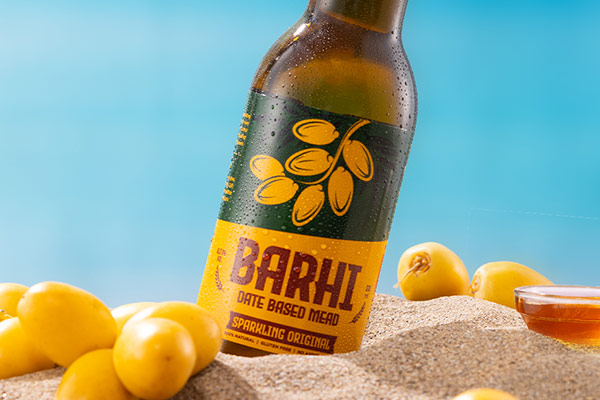
If you've never heard of alcohol made from fresh dates, you're not alone. BARHI is a Fresh Date Spritz made by fermenting fresh Barhee dates and honey. It's dry, lightly sparkling and 6% ABV, with a crisp, refreshing character created to be enjoyed with food. The ingredients often surprise people. Dates and honey sound as though they should produce something sweet, but fermentation transforms them into a very different drinking experience. So, what exactly is BARHI? What Is a Fresh Date Spritz? Fresh Date Spritz is the simplest way we have found to describe the BARHI experience. “Fresh Date” tells you where the drink begins: BARHI is made using fresh Barhee dates rather than grapes, apples or grains. “Spritz” tells you more about what to expect in the glass: something chilled, light, sparkling and refreshing. BARHI is legally a mead because honey forms part of the fermentation, but it doesn't fit the sweet, heavy image many people associate with traditional mead. If you'd like to understand the category itself, our guide to what mead is and how it's made explains it in more detail. For the person drinking it, though, Fresh Date Spritz is the experience we want the name to communicate. What Is BARHI Made From? At the heart of BARHI are fresh Barhee dates and honey. Barhee dates are known for their distinctive character and are used fresh in BARHI rather than simply as a flavour added to a finished drink. During fermentation, yeast converts naturally occurring fermentable sugars into alcohol. This transformation is why the finished BARHI tastes very different from simply eating a date or tasting honey. The result is dry rather than syrupy, with light carbonation giving the drink its refreshing finish. What Does BARHI Taste Like? The reaction we hear surprisingly often when somebody first tries BARHI is: “I thought it was going to be sweet.” It isn't. BARHI is designed to be dry, crisp and refreshing, with light sparkle and enough character to work alongside food without dominating it. There are two expressions. BARHI Original BARHI Original is the cleaner and crisper expression, made from fresh Barhee dates and honey. It is light, dry and refreshing, making it easy to enjoy chilled on its own or alongside a broad range of food. BARHI Spiced BARHI Spiced starts with fresh Barhee dates and honey and adds star anise and orange peel. Those ingredients bring a more aromatic character while keeping the dry, refreshing profile at the heart of BARHI. It works particularly well alongside richer and spice-led dishes. If you're trying BARHI for the first time, the choice is really about what you enjoy: Original for something cleaner and crisper; Spiced for something more aromatic. Is BARHI Sweet? No. Despite being made from dates and honey, BARHI is fermented dry rather than being designed as a sweet drink. A 330ml bottle contains 1.52g of carbohydrate, all of which is sugar, and BARHI is made with no added sugar. That's an important part of the drinking experience. The dates and honey contribute to how BARHI is made, but they don't translate into a heavy or obviously sweet finished drink. The result is dry, light and refreshing, which is very different from what many people initially expect when they hear the ingredients. Is BARHI Gluten-Free? Yes. BARHI is naturally gluten-free. Unlike conventional beers made using grains such as barley or wheat, BARHI begins with fresh Barhee dates and honey and does not use gluten-containing grains. You can read more about the ingredients and fermentation in Is BARHI Gluten-Free? Is BARHI a Mead? Yes. BARHI sits legally within the mead category because honey is part of its fermentation. But mead is much broader than the sweet, historical stereotype many people know. It can be dry or sweet, still or sparkling and produced in many different styles. BARHI takes that fermentation tradition in its own direction by combining honey with fresh Barhee dates to produce a dry, lightly sparkling drink. That's why both descriptions matter: Mead explains the fermentation category. Fresh Date Spritz explains the drinking experience. For a deeper look at the category, explore What Is Mead?, or see how it compares in our guide to mead, beer, wine and cider. When Do You Drink BARHI? BARHI was created around food, so the table is its natural home. The choice between Original and Spiced isn't simply about whether a dish is mild or spicy; it depends on what is actually driving the food. BARHI Original's clean, crisp and refreshing character works particularly well when chilli heat is one of the defining features of the dish. BARHI Spiced brings additional aromatics from star anise and orange peel and works particularly well with seafood, rich creamy gravies and BBQ, grilled or charred food. BARHI can also be served chilled as an aperitif, enjoyed at a bar or simply chosen when you want something different from your usual beer, wine or cider. The bigger idea is that BARHI should fit naturally into occasions people already enjoy rather than requiring a completely new drinking ritual. If you're interested in why food played such an important role in its development, read Why BARHI Was Created Around Food. So, What Is BARHI? The shortest answer is: BARHI is a Fresh Date Spritz made from fresh Barhee dates and honey. It's dry, lightly sparkling, 6% ABV and naturally gluten-free, with two expressions: clean and crisp BARHI Original, and more aromatic BARHI Spiced with star anise and orange peel. Legally, it belongs to the mead family. In the glass, we think Fresh Date Spritz tells you much more about what you're about to experience. And perhaps the best way to understand it isn't to read another paragraph about it. It's to try one. Discover BARHI Original and BARHI Spiced, or find BARHI near you. Made for the love of food. Brewed for the celebration of laughter.
20th Feb, 2026

Is BARHI Low-Sugar?

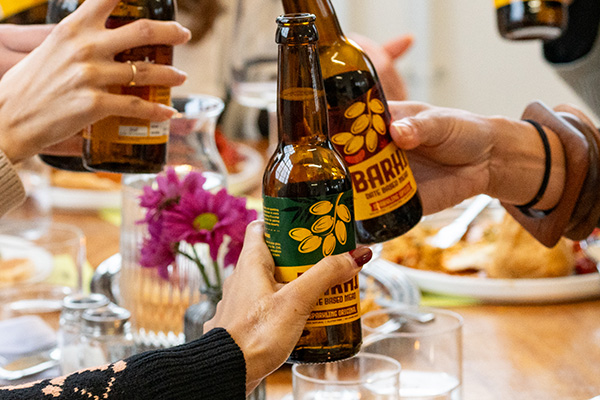
How Much Sugar Is in BARHI? Dates and honey sound sweet, so one of the questions we're asked most often about BARHI is a perfectly reasonable one: How much sugar is actually in it? A 330ml bottle of BARHI contains 1.52g of sugar, or approximately 0.46g per 100ml. The total carbohydrate is also 1.52g per 330ml, all of which is sugar. BARHI is made from fresh Barhee dates and honey, both of which naturally contain sugars. But what goes into the fermentation vessel isn't the same as what ends up in your glass. What Happens to the Sugar During Fermentation? Fermentation is at the heart of BARHI. During the process, yeast consumes fermentable sugars and converts them into alcohol and carbon dioxide. This is why ingredients such as grapes can become a dry wine and apples can become a dry cider despite naturally containing sugar. BARHI follows the same fundamental principle. We ferment fresh Barhee dates and honey to create a drink that tastes very different from what you might expect from those ingredients. Rather than being thick, syrupy or obviously sweet, BARHI is dry, crisp and lightly sparkling. That contrast between the ingredients and the finished drink is one of the things that surprises people most when they try BARHI for the first time. Does BARHI Have Added Sugar? BARHI is made with no added sugar. The sugars involved in fermentation come from the ingredients used to make the drink, including fresh Barhee dates and honey. There are no additional sugars added simply to sweeten the finished drink. The result is a Fresh Date Spritz with a dry finish rather than the sweetness people often expect when they hear the words “dates and honey”. How Many Calories Are in BARHI? A 330ml bottle of BARHI contains approximately 115 kcal. We think the clearest way to talk about nutrition is simply to give you the figures and let you decide what matters to you. For a 330ml bottle: Carbohydrate: 1.52g of which sugars: 1.52g Energy: approximately 115 kcal ABV: 6% BARHI is also naturally gluten-free. Why Doesn't BARHI Taste Like Dates and Honey? Fermentation changes much more than sugar. Fresh Barhee dates and honey provide the foundation of BARHI, but the finished drink isn't intended to taste like date juice or liquid honey. Fermentation transforms the ingredients and creates a different flavour profile altogether. BARHI Original is clean, dry, crisp and refreshing, and works particularly well when chilli heat is one of the defining features of the dish. BARHI Spiced builds on that base with star anise and orange peel, creating a more aromatic expression that works particularly well with seafood, rich creamy gravies and BBQ, grilled or charred food. Both are lightly sparkling and designed to be enjoyed chilled with food. Dates and Honey, Reimagined BARHI started with an unusual idea: could ingredients associated with sweetness be fermented into something dry and refreshing enough to sit naturally at the table? Fresh Barhee dates and honey gave us the answer. The result is what we call a Fresh Date Spritz: a dry, lightly sparkling 6% ABV drink created around food. If you'd like to understand more about what BARHI is and how it's made, explore What Is BARHI? Or read the story of why BARHI was created around food. You can also discover BARHI Original and BARHI Spiced or find BARHI near you. Made for the love of food. Brewed for the celebration of laughter.
20th Feb, 2026

Is BARHI Gluten-Free?

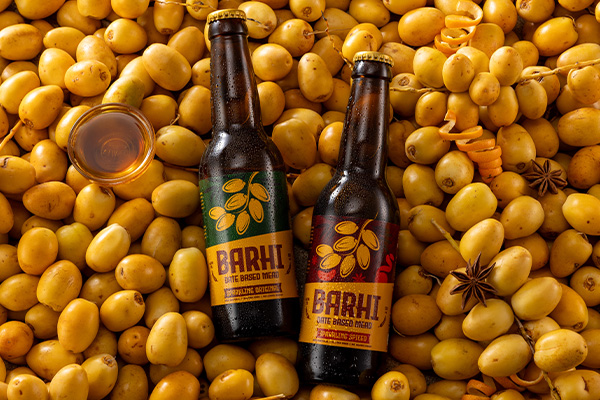
Yes. BARHI is naturally gluten-free. BARHI is made from fresh Barhee dates and honey rather than grains such as wheat or barley, giving people who avoid gluten another option when choosing what to drink. But because beer is such a familiar reference point for a cold, refreshing alcoholic drink, it's understandable that people sometimes ask whether BARHI contains gluten too. The difference starts with what goes into the fermentation. Why Is BARHI Gluten-Free? Many traditional beers are brewed using barley or wheat, both of which contain gluten. BARHI starts somewhere completely different. Fresh Barhee dates and honey provide the fermentable ingredients at the heart of the drink. Yeast then converts naturally occurring sugars during fermentation, creating alcohol and helping transform those ingredients into the dry, lightly sparkling drink that ends up in the bottle or glass. There are no gluten-containing grains such as barley or wheat used to make BARHI. That's why BARHI is naturally gluten-free rather than being a conventional beer that has subsequently had gluten removed. Is Mead Usually Gluten-Free? Traditional mead is made primarily by fermenting honey and water, so its core ingredients don't naturally contain gluten. However, mead is a broad category. Modern producers can use additional fruits, spices, flavourings or other ingredients, and production methods vary. If gluten avoidance is important to you, it is always sensible to check the information provided for the particular product rather than assuming every drink within a category is identical. BARHI is legally a mead, but its ingredients and drinking experience are quite different from the sweet or heavy image people sometimes associate with traditional mead. We ferment fresh Barhee dates and honey to create what we describe as a Fresh Date Spritz: dry, lightly sparkling and 6% ABV. If you'd like to understand the category in more detail, our guide to what mead is and how it's made explains it simply. What Is BARHI Made From? BARHI comes in two expressions. BARHI Original is made with fresh Barhee dates and honey, creating a clean, crisp and refreshing profile that works particularly well with chilli-forward food. BARHI Spiced builds on the dates and honey with star anise and orange peel, giving it a more aromatic character that works particularly well with seafood, rich creamy gravies and BBQ or grilled dishes. Both are naturally gluten-free, 6% ABV and made with no added sugar. Despite being made from dates and honey, BARHI isn't designed to be sweet. Fermentation transforms the naturally occurring sugars in the ingredients, resulting in the dry drinking experience that often surprises people trying BARHI for the first time. If you're curious about the numbers, our guide to how much sugar is in BARHI explains the finished product in more detail. Gluten-Free Doesn't Have to Mean Beer For people avoiding gluten, the drinks conversation can sometimes become unnecessarily centred around finding a gluten-free version of beer. But beer isn't the only starting point. Wine, cider and traditional mead are generally made from ingredients that don't naturally contain gluten, while BARHI begins with fresh dates and honey. BARHI isn't intended to imitate gluten-free beer. It is its own drink, with its own ingredients and character. That's an important distinction. We didn't begin with beer and try to remove something from it. BARHI was developed from a different fermentation altogether, as part of a wider attempt to create a refreshing alcoholic drink around food. A Fresh Date Spritz Made for the Table Being naturally gluten-free is an important characteristic of BARHI, but it isn't the reason BARHI was created. The starting point was food. BARHI was developed to be dry, refreshing and lightly sparkling, with a profile that could sit comfortably alongside flavour-rich dishes rather than overpowering them. That food-first philosophy eventually became BARHI Original and BARHI Spiced. So if you've arrived here simply wanting to know whether BARHI contains gluten, the answer is straightforward: BARHI is naturally gluten-free and is made without gluten-containing grains such as wheat or barley. If you'd like to know what the drink actually tastes like, how it's made and where a Fresh Date Spritz fits alongside beer, wine and cider, explore What Is BARHI? or read more about BARHI's food-first story. You can also discover BARHI Original and BARHI Spiced, or find BARHI near you. Made for the love of food. Brewed for the celebration of laughter.
20th Feb, 2026

Mead vs Beer, Wine & Cider: What’s the Difference — And Where Does BARHI Fit?

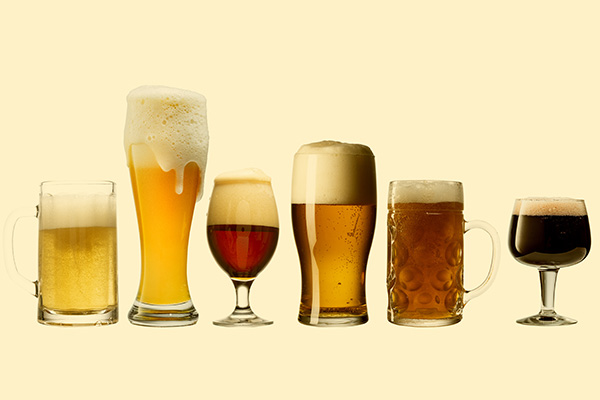
Beer, wine and cider are familiar categories. Most of us have a reasonable idea of what to expect when we order one. Mead can be harder to place. Its history stretches back thousands of years, yet many people have never tried it. Those who have heard of mead often imagine something rich, heavy and very sweet. While styles like that certainly exist, mead is a much broader category than the stereotype suggests. So what actually makes mead different from beer, wine and cider, and where does a drink like BARHI fit? The Difference Starts With Fermentation At the simplest level, the distinction between these drinks begins with what is fermented. Beer is typically brewed from grains such as barley, with hops commonly contributing bitterness, aroma and flavour. Wine is produced by fermenting grapes. Cider is made by fermenting apple juice. Mead begins with honey, usually fermented with water, although fruits, spices and other ingredients can be used to create a wide variety of styles. That sounds straightforward, but the ingredient alone doesn't tell you exactly what the finished drink will taste like. Beer can range from light lager to rich stout. Wine can be still or sparkling, bone dry or sweet. Cider ranges from crisp and dry to intensely fruity. Mead has similar diversity. Is Mead Always Sweet? One of the biggest misconceptions about mead is that honey automatically makes the finished drink sweet. It doesn't. Fermentation changes the equation. Yeast consumes fermentable sugars and converts them into alcohol, which means a drink that begins with naturally sweet ingredients can finish considerably drier. Some meads deliberately retain sweetness. Others are dry, sparkling, still, strong, light, fruit-led or spiced. So knowing that something is a mead tells you how it was made, but not necessarily what the drinking experience will be. Mead vs Beer Beer and mead start from very different ingredients. Beer generally derives its fermentable sugars from grains, while mead uses honey as its foundation. Hops are also central to many beer styles and can contribute anything from gentle bitterness to powerful aromatic character. Their drinking occasions can overlap, though. Both can be refreshing, sociable drinks enjoyed in pubs, restaurants or alongside food, depending on the particular style. BARHI shares some of that easy-drinking occasion with beer, but its ingredients and flavour profile are very different. It contains no grain and is naturally gluten-free, while its light carbonation and dry character provide refreshment without relying on hop bitterness. Mead vs Wine Wine and mead are both fermented drinks, but their primary sources of fermentable sugar are different: grapes for wine and honey for mead. Wine has developed an extraordinary food culture around it, with different grapes, regions and styles matched to particular dishes. Mead can also be created with food in mind, but it offers a very different starting point for flavour. This is particularly relevant to BARHI. Fresh Barhee dates are fermented alongside honey to create a dry, lightly sparkling drink intended to be enjoyed at the table. The result doesn't taste like conventional grape wine, nor does it fit the traditional image many people have of mead. Mead vs Cider Cider is perhaps an interesting comparison because many cider styles combine fruit character, acidity and refreshment. But again, the ingredients are fundamentally different. Cider begins with apples. Traditional mead begins with honey. BARHI combines honey with fresh Barhee dates. That produces its own character rather than trying to reproduce the flavour of cider. What the two can share is the occasion: something chilled and refreshing that can be enjoyed casually or alongside food. So Where Does BARHI Fit? BARHI is made by fermenting fresh Barhee dates and honey and is legally a mead, but the drinking experience is deliberately different from the sweet, heavy image many people associate with the word. It is dry, lightly sparkling and 6% ABV, with a profile developed around food. That's why we increasingly describe BARHI to consumers as a Fresh Date Spritz. The term helps explain what to expect in the glass: something light, sparkling and refreshing, made from fresh dates and honey. There are two expressions. BARHI Original has a clean, crisp and refreshing profile and works particularly well where chilli heat leads the dish. BARHI Spiced adds star anise and orange peel for a more aromatic character that works particularly well with seafood, rich creamy gravies and BBQ or grilled dishes. Both are naturally gluten-free and made with no added sugar. A Quick Comparison Beer Wine Cider Traditional Mead BARHI Main fermentation source Grains Grapes Apples Honey Fresh Barhee dates + honey Carbonation Usually Usually still, but varies Varies Varies Lightly sparkling Taste Varies enormously Varies enormously Varies enormously Varies enormously Dry, crisp and refreshing Typical ABV Varies Varies Varies Varies 6% Gluten-free by ingredients Usually not Generally Generally Generally Naturally gluten-free Food pairing Style dependent Strong tradition Style dependent Style dependent Developed around food Individual products and styles vary considerably, so this table is intended as a broad category guide rather than a nutritional or technical comparison of every beer, wine, cider or mead. Does BARHI Replace Beer, Wine or Cider? Beer, wine and cider all have their own established drinking occasions, and BARHI wasn't created simply to imitate one of those categories in a different form. Its development began with a different brief: start with the experience of eating and work backwards towards the drink. That distinction matters because beer, wine and cider were developed according to the characteristics of their own categories, rather than specifically around the experience of a flavour-rich meal. With BARHI, the meal was part of the brief from the beginning. We wanted a drink that could provide refreshment, have enough character to be enjoyed in its own right, and then allow the food to take centre stage again. If you'd like to understand why the meal became the starting point, read Why BARHI Was Created Around Food. If you're deciding specifically what to drink with Indian food, What Alcohol Really Works With Indian Food? looks at the compromises the usual choices can introduce and why BARHI was developed differently. Discover BARHI Mead may be one of the world's oldest alcoholic drink categories, but that doesn't mean every mead needs to look or taste like the versions that came before it. BARHI takes the fermentation of honey in a different direction by bringing fresh Barhee dates into the process and creating a dry, lightly sparkling drink for modern dining. A mead by fermentation. A Fresh Date Spritz in the glass. Discover BARHI Original and BARHI Spiced, or find BARHI near you. Made for the love of food. Brewed for the celebration of laughter.
2nd Feb, 2026

What Is Mead? A Simple Guide to One of the World’s Oldest Alcoholic Drinks

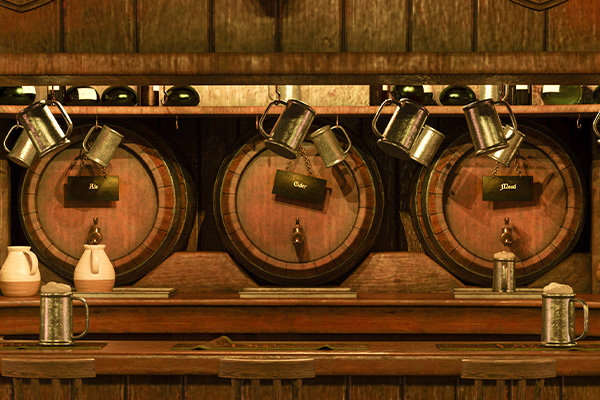
What Is Mead? A Simple Guide to One of the World's Oldest Alcoholic Drinks Mention mead and people tend to have very different reactions. Some know it as one of the world's oldest fermented drinks. Others picture something medieval, served from a drinking horn and probably very sweet. And plenty of people simply ask: What actually is mead? The simple answer is that mead is an alcoholic drink made by fermenting honey with water. But just as knowing that wine is made from grapes doesn't tell you whether you're about to drink Champagne, Sauvignon Blanc or Port, that definition only tells you where mead begins. The category is much more varied than many people realise. What Is Mead Made From? Honey is the defining ingredient in mead. Traditionally, honey is mixed with water and fermented using yeast. During fermentation, the yeast consumes fermentable sugars and converts them into alcohol, creating the finished drink. From that basic starting point, producers can create very different styles. Fruit, herbs, spices and other ingredients can be incorporated, and choices made during fermentation can influence sweetness, strength, carbonation, aroma and flavour. That's why two drinks described as mead can taste remarkably different from one another. Is Mead Always Sweet? No, and this is probably the biggest misconception surrounding mead. Honey is naturally sweet, but fermentation changes what happens to its sugars. Depending on how the mead is made, more or less residual sweetness can remain in the finished drink. As a result, mead can range from sweet to completely dry, just as wine and cider can. It can also be still or sparkling, delicate or intensely flavoured, relatively light or considerably stronger. So if your only impression of mead is a heavy, very sweet drink, you've experienced one possible style rather than the whole category. What Does Mead Taste Like? There isn't one universal “mead taste”. A traditional honey-led mead may retain recognisable floral or honeyed characteristics, but the finished flavour depends on the honey, fermentation, sweetness level and any additional ingredients used. A fruit mead can be bright and fruit-led. A spiced mead can be aromatic. A dry sparkling mead can feel considerably lighter and fresher than many people expect. This variety is part of what makes the category interesting: mead describes how a drink is made more than it describes one particular flavour. Is Mead a Wine? You'll sometimes hear the term “honey wine” used to explain mead, but mead isn't grape wine. Wine is made by fermenting grapes, while mead uses honey as its defining fermentable ingredient. The two categories can share characteristics. Both can be dry or sweet, still or sparkling, and both can work with food. But their fundamental ingredients are different. Beer is different again, generally beginning with grains such as barley, while cider begins with apples. If you'd like to explore those differences in more detail, read our guide to mead vs beer, wine and cider. How Strong Is Mead? There isn't one standard alcohol strength for mead. Different styles and fermentation methods can produce very different ABVs, so the best approach is to check the particular bottle you're drinking rather than assume all meads have the same strength. BARHI, for example, is 6% ABV, deliberately placing it at a lighter drinking strength than many people's preconception of mead. Is Mead Gluten-Free? Traditional mead begins with honey and water rather than gluten-containing grains, so its core ingredients are naturally gluten-free. However, mead is a broad category and additional ingredients and production processes can vary between producers. Anyone for whom gluten avoidance is important should therefore check the information for the particular product. BARHI is naturally gluten-free and is made without gluten-containing grains such as wheat or barley. Our guide to whether BARHI is gluten-free explains this in more detail. What Is Modern Mead? The history of mead may be ancient, but modern producers aren't restricted to recreating historical styles. Today the category includes fruit meads, botanical and spiced expressions, sparkling styles and drinks produced at a range of alcohol strengths and sweetness levels. For us, that's one of the most exciting things about mead. Its defining ingredient provides a starting point rather than a rule for what the final drinking experience has to be. And that's where BARHI enters the story. So Is BARHI a Mead? Yes. BARHI is made by fermenting fresh Barhee dates and honey, which means it sits legally within the mead category. But if you've arrived at BARHI expecting the stereotypical sweet, heavy mead, the experience in the glass may be surprising. BARHI is dry, lightly sparkling and 6% ABV. We describe it to consumers as a Fresh Date Spritz because that better communicates how it actually drinks. BARHI Original combines fresh Barhee dates and honey for a clean, crisp and refreshing profile, while BARHI Spiced adds star anise and orange peel for a more aromatic expression. At the table, Original works particularly well where chilli heat leads the dish, while Spiced is particularly suited to seafood, rich creamy gravies and BBQ or grilled food. Both demonstrate an important point about mead: starting with honey doesn't dictate how the finished drink has to taste. An Ancient Idea with Plenty of Room to Evolve Perhaps the easiest way to understand mead is not to think of it as one particular flavour. Think of it as a fermentation category. Honey provides the foundation, but the producer, ingredients and fermentation choices determine where the drink goes from there. Some meads celebrate honey prominently. Some are sweet. Some are strong. Others are dry, sparkling, fruit-led or spiced. BARHI takes that flexibility in its own direction, combining honey with fresh Barhee dates to create a drink developed around food. If you'd like to understand where BARHI fits alongside beer, wine and cider, explore our comparison guide. Or discover What Is BARHI? for the complete introduction to the Fresh Date Spritz. You can also explore BARHI Original and BARHI Spiced, or find BARHI near you. Made for the love of food. Brewed for the celebration of laughter.